Raketa Bar
Sofia
Age restriction · 18+
This website contains information about alcoholic beverages. You must be 18 or older to enter.
By entering, you confirm that you are at least 18 and of legal drinking age in your country. Please drink responsibly.
THE BEER CORNER · MARTOVOI.COM
Learn what is in the glass, discover where to drink it and keep a record of what you taste.
Choose your routeThree ways in
SOFIA · BEER DIRECTORY
Independent bottle shops, taprooms, beer halls and neighbourhood pubs worth saving.
Tap any card to plan your route. Check current opening hours before travelling.
Sofia
Sofia
Sofia
Sofia
Sofia
Sofia
Sofia
Sofia
Sofia
Sofia
Sofia
Sofia
Sofia
Sofia
Sofia
Юрий Венелин 1
Цар Иван Асен II 52
Черковна 41
Париж 8
Георги Бенковски 6
Ангел Кънчев 26
Шипка 22
TASTING EDITION
Seven beers. Five styles. One route from a clean lager to a dark imperial stout.
Seven beers, five styles, one tasting
Start tasting ↓BEER KNOWLEDGE EDITION
Learn the numbers, styles and stories behind beer.
Beer metrics, styles and stories
Start learning ↓START CLEAN → FINISH DARK
BEER BASICS · READ THE LABEL
IBU describes bitterness, ABV measures alcohol and OG shows how much fermentable sugar the brewer started with.
The three main beer metrics
More hops and a longer boil usually mean more bitterness. Above roughly 100–120 IBU, the tongue struggles to tell the difference.
Bitterness
The percentage of alcohol in the finished beer. Yeast turns the difference between OG and FG into alcohol and CO₂.
Alcohol strength
The density of sugar in the wort before fermentation — in other words, the beer’s alcohol potential.
Wort density before fermentation
BEER ANATOMY
Beer begins with water, malt, hops and yeast. Change one variable and the entire sensory profile can move.
Sets the mineral profile and can sharpen hops, soften malt or brighten acidity.
Provides fermentable sugar, body and flavours from fresh bread to coffee and chocolate.
Bring bitterness, aroma and notes such as citrus, herbs, resin, flowers and tropical fruit.
Turns sugar into alcohol and CO₂ while creating fruity, spicy, clean or funky character.
FROM GRAIN TO GLASS
Brewing extracts sugar; fermentation turns it into alcohol, carbonation and flavour.
Crush the grain
Convert starch into sugar
Sterilise and concentrate
Add bitterness and aroma
Yeast makes alcohol and CO₂
Let flavour settle and mature
BEER HISTORY
The process changed. The social idea stayed: make, share and taste.
Probably discovered when wet grain began to ferment.
Beer was part of daily food, work and wages.
Recipes became more systematic and hops more important.
Refrigeration, microbiology and pure yeast made beer more consistent.
Brewers reinterpret history with new ingredients and techniques.
CRAFT BEER
The Brewers Association defines an American craft brewer through scale, independence and the act of brewing—not through one flavour or style.
Brewers Association ↗There is no single global legal definition of craft. Independence, scale and brewing approach carry different weight in different markets.
INTERACTIVE STYLE MAP
Choose a direction. This is a starting point, not a rigid rule: styles overlap and brewers reinterpret them.
Clean, dry, refreshing and easy to read.
COLOUR · EBC
READ THE LABEL
STRENGTH SPECTRUM
Most beer sits around 4–10% ABV. Beyond the normal tolerance of brewing yeast, extreme products may use repeated freezing or added spirit, moving closer to liqueur or whisky territory.
These extremes are sipped in small portions, not consumed like ordinary beer.
FLAVOUR VOCABULARY
Start broad, then become specific. There is no prize for finding an aroma that is not really there.
GLASS & TEMPERATURE
Very cold beer can hide aroma and flavour. Stronger, darker beers usually reveal more as they warm.
Tall and narrow: shows clarity and keeps carbonation lively.
BEER & FOOD
Match intensity first. Then echo a flavour, create contrast or use carbonation and bitterness to reset the palate.
Bitterness cuts fat; toasted malt echoes the crust.
OFF-FLAVOURS
Context matters: a note may suit one style and spoil another. These five are useful warning signals.
Can be acceptable in a few styles, but often signals incomplete fermentation or poor handling.
May come from malt or an insufficiently vigorous boil.
Oxygen and age flatten fresh flavour and create papery notes.
UV light reacts with hop compounds; brown glass offers better protection.
Often linked to fermentation that was too warm or stressed.
TABLE FACTS
Local water chemistry can genuinely change the taste.
The Sumerian Hymn to Ninkasi also preserves a description of brewing.
The Bavarian purity law named water, barley and hops; yeast was understood later.
Yeast creates both alcohol and the CO₂ behind natural carbonation.
QUICK CHECK
Five questions. Choose one answer for each and see your result immediately.
YOUR TASTING ROUTE
Order matters: begin with clean, delicate flavours and finish with dark, strong beers.
From light to complex tasting
PERSONAL TASTING NOTES
Your personal tasting passport
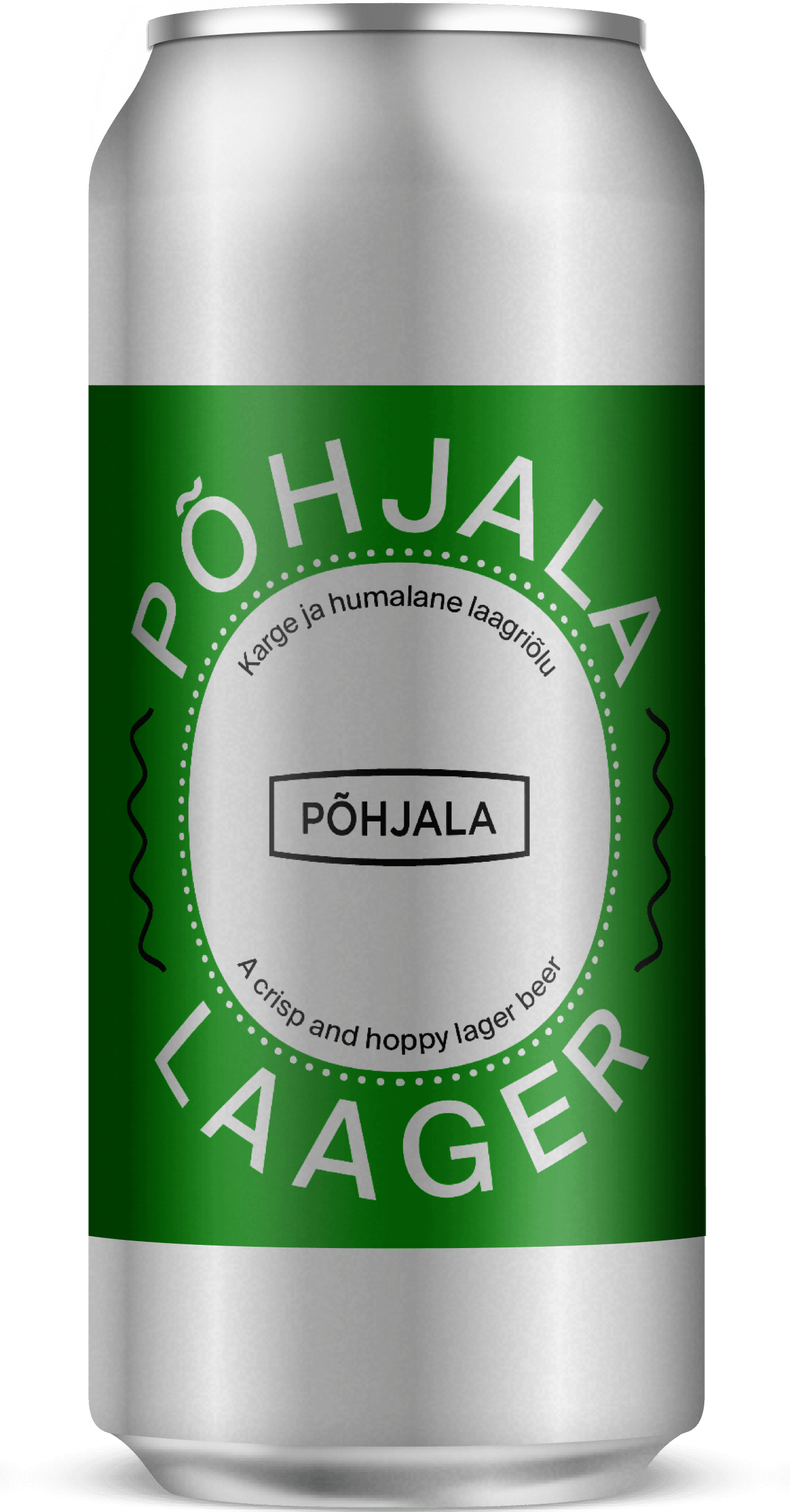
Start the tasting · clean and light
Crisp bitterness, toasted biscuit, fresh bread and floral hops.
Lager is defined by cold fermentation and maturation, not by being pale. Its clean flavor leaves nowhere for flaws to hide.
This bottle has 30 IBU and floral, spicy notes from three classic hops.
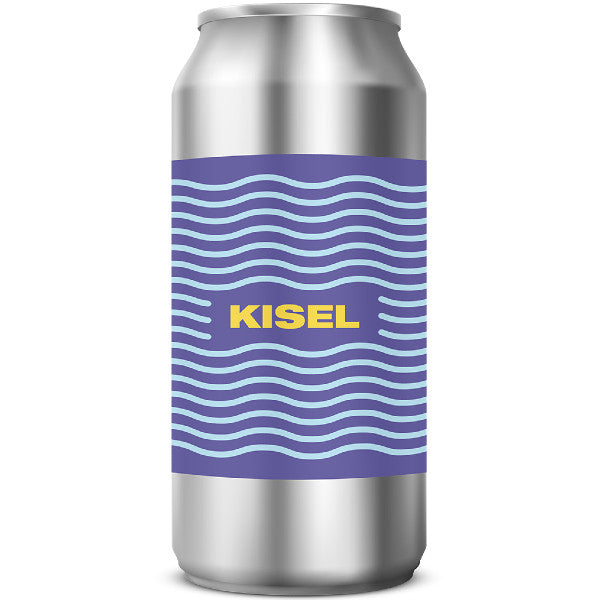
Compare acidity and salinity
Clean lactic sourness, gentle salt, white grape and floral hops.
Gose is a historical German style built on bright acidity, salt and refreshment.
Hallertau Blanc adds white-wine and citrus aroma without turning the beer into a bitter IPA.
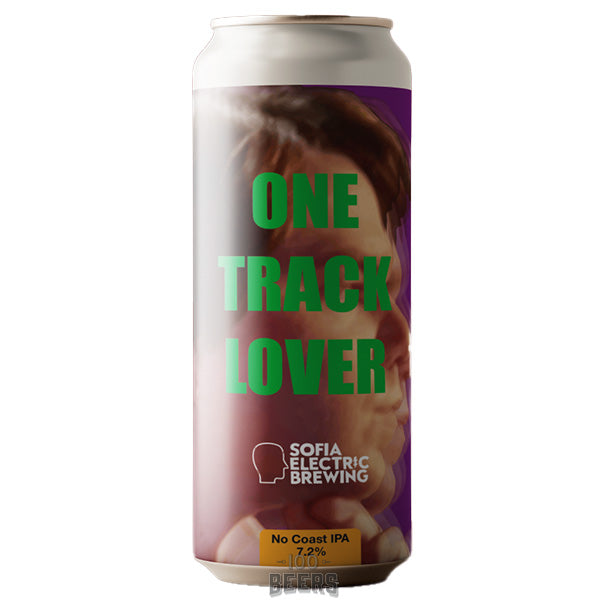
Aroma first, bitterness second
Bright hop aroma, citrus, white grape, light resin and a clean bitter edge.
No Coast IPA combines New England juiciness with a drier, more bitter West Coast finish.
Nelson Sauvin can suggest Sauvignon Blanc and gooseberry; Dolcita brings peach, pineapple and orange.
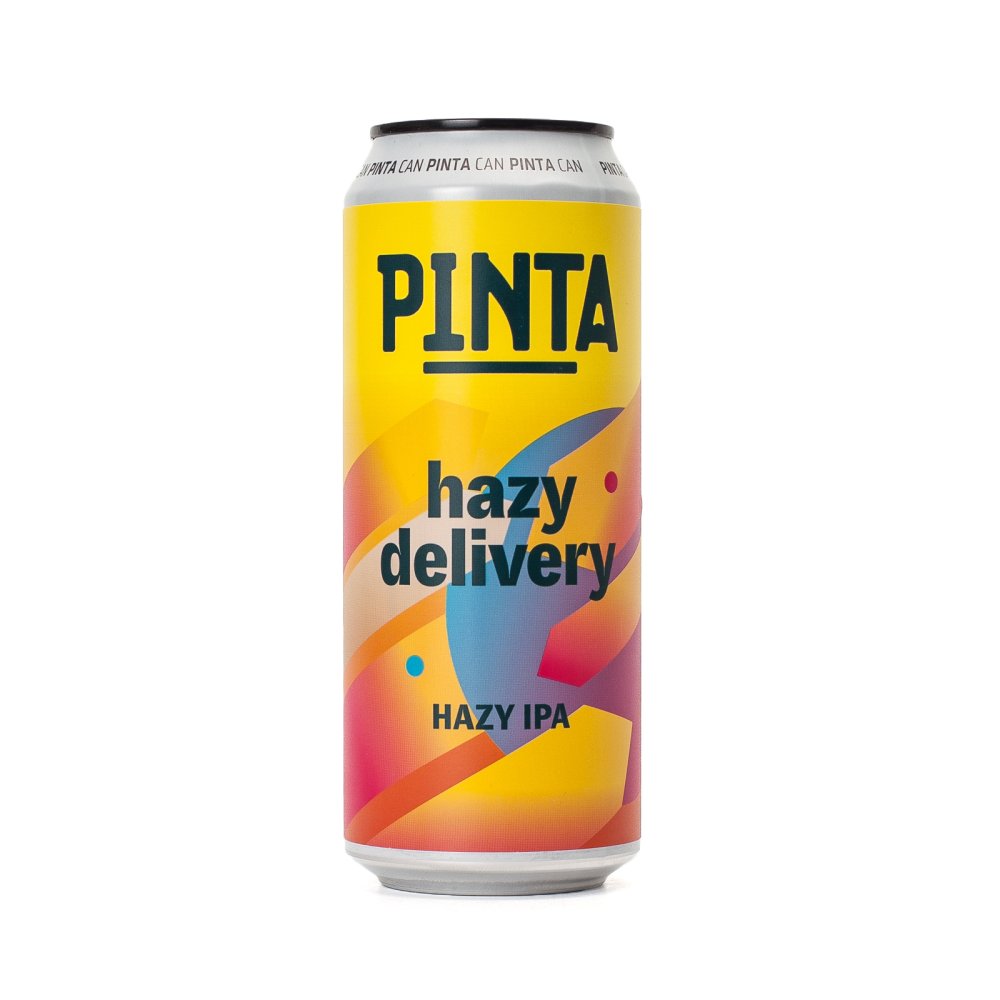
Look for texture and tropical notes
Juicy citrus and tropical fruit, a silky body and low bitterness.
Hazy IPA grew from New England IPA: cloudy, soft and built around hop aroma.
Wheat and oats soften the body; Idaho 7, Strata, Sabro and Talus drive the aroma.
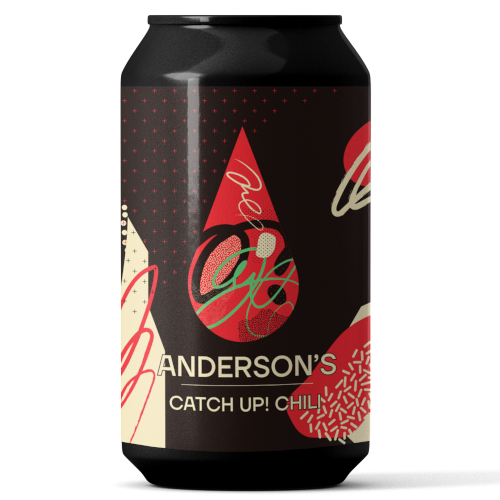
Balance tomato, salt and heat
Ripe tomato, basil, salt, bright acidity and slow-building chili heat.
A culinary twist on a sour-salty German style: the bridge between beer, gazpacho and Bloody Mary.
Tomato, basil and Carolina Reaper create a remarkably gastronomic beer at only 4.1% ABV.
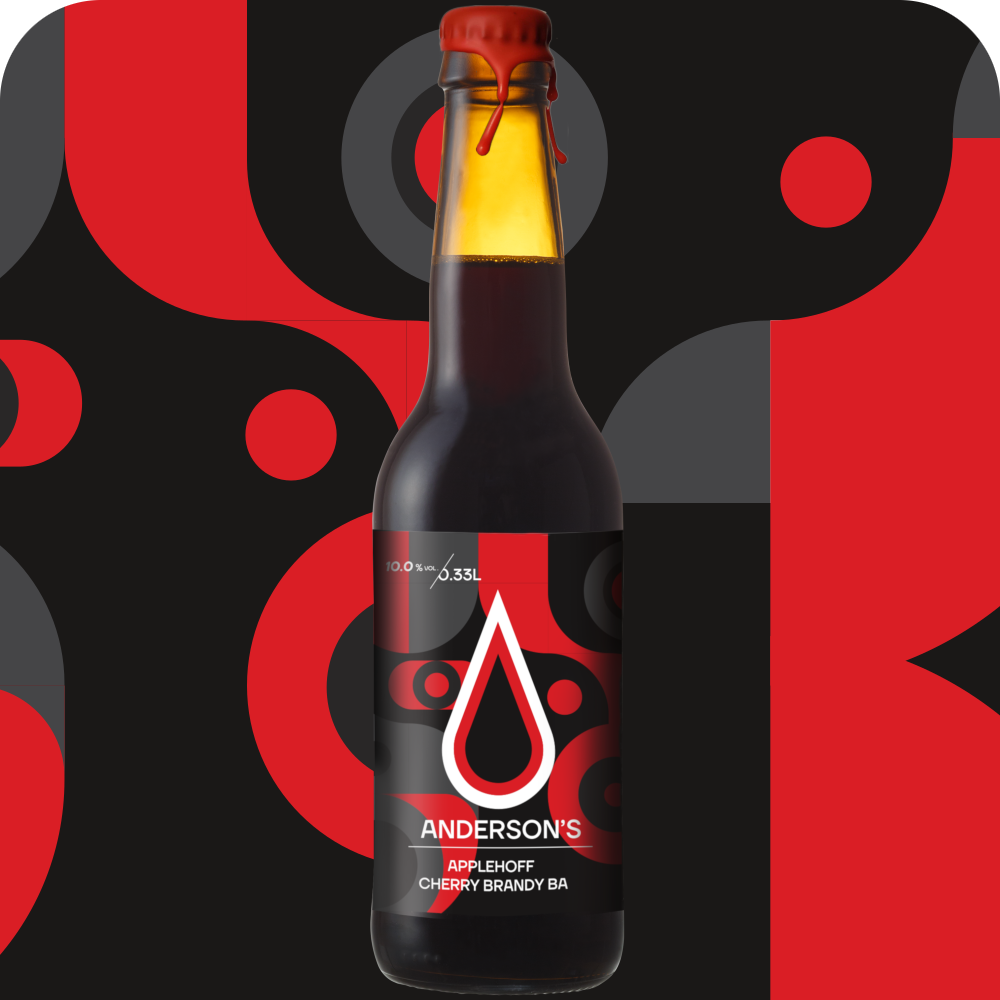
Sip slowly · find the oak and brandy
Tart apple and cherry, cinnamon, brandy and dessert-like acidity.
A sour ale aged with apple and cherry in brandy barrels. Oak and spirit warmth add depth.
Granny Smith apple, Ceylon cinnamon and lactose make the base beer feel like liquid apple pie.
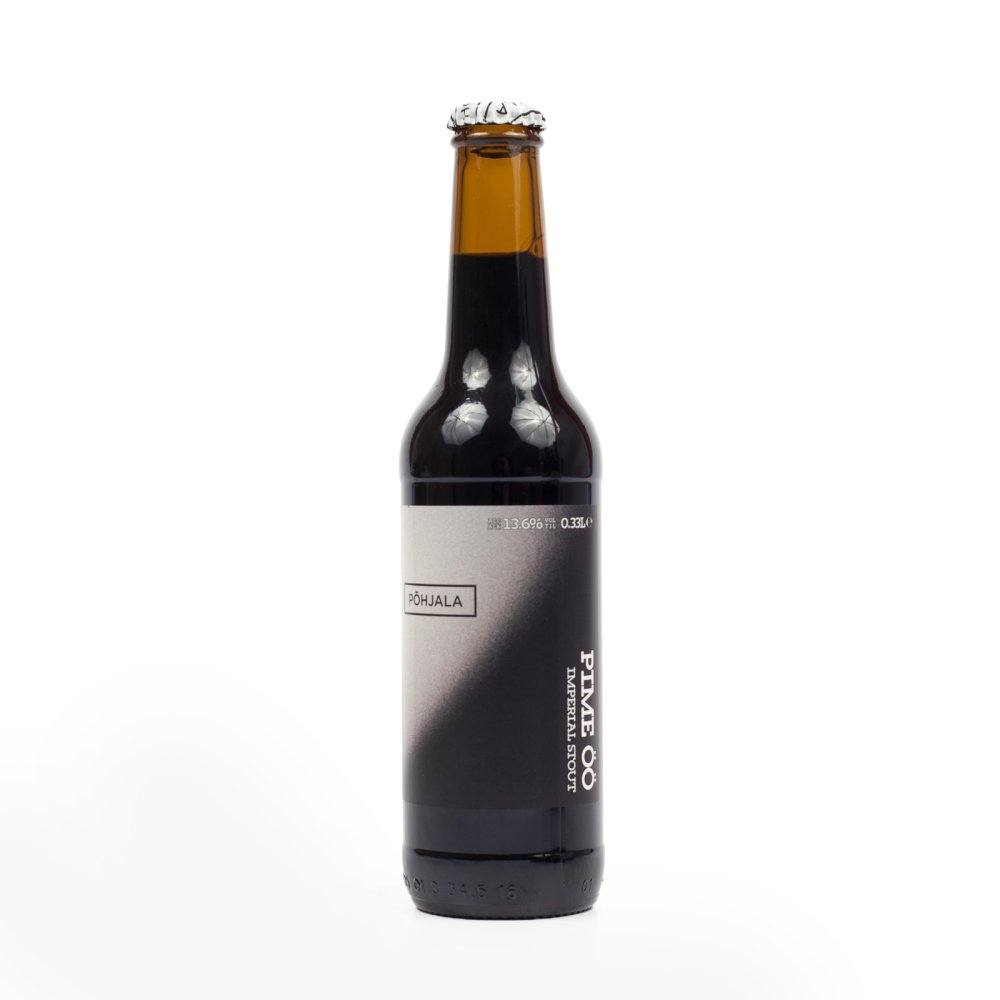
The finale · dark, strong and slow
Chocolate cake, coffee, liquorice, blackcurrant and plum.
Imperial stout grew from strong export stouts: dark, warming and made for slow sipping.
Pime Öö means Dark Night. At 12–16°C its chocolate and dark-fruit notes open up.
PASSPORT CONTROL
Add a stamp after every pour. Your ratings and notes stay saved on this device.
Data is saved on this device
INTERACTIVE TOOL
Yeast eats the difference between original and final gravity. Move the sliders and watch the ABV and glass level update live.
From gravity to alcohol strength
OG measures sugar before fermentation; FG shows what remains after. Water = 1.000.
TASTING METHOD
Four tasting steps
Smell first: hops, malt, fruit, roast and spice.
AromaNotice whether it feels light, silky, creamy or thick.
BodyCompare sweetness, acidity, bitterness, salt and alcohol.
BalanceAsk what remains after the sip and how long it lasts.
FinishTaste small pours, drink water between beers and never drive after drinking.
Drink responsiblyHOMEWORK · BEER COCKTAILS
Try one after the tasting — or save the recipe for another evening.
Homework — beer cocktails
Light, fizzy and low-ABV.
Beer cocktail recipeThe German cyclist’s classic.
Beer cocktail recipeA savoury Mexican brunch drink.
Beer cocktail recipeAdd blackcurrant for a Snakebite & Black.
Beer cocktail recipeRich, elegant and surprisingly smooth.
Beer cocktail recipeA mimosa that went to a brewery.
Beer cocktail recipe